nuovo blog
Una guida pratica per bilanciare prestazioni meccaniche, resistenza al calore, lavorabilità e costi
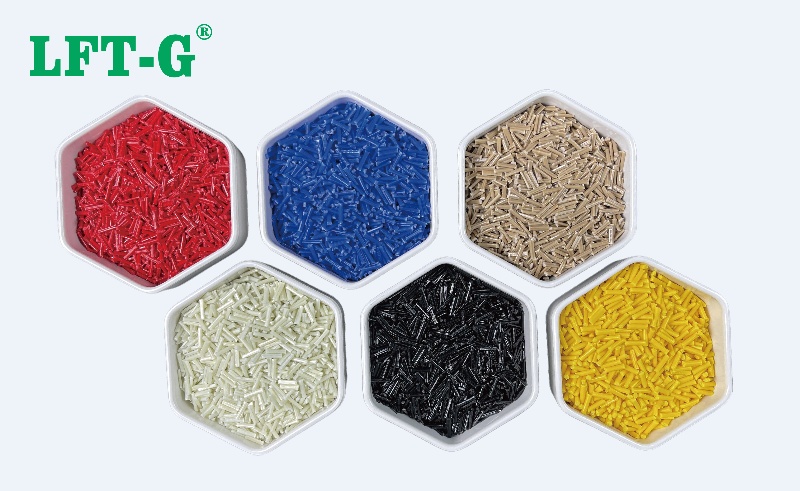
Il PA66 rinforzato con fibra di vetro (GF PA66) è una delle plastiche tecniche più utilizzate nei settori automobilistico, elettrico, dei macchinari industriali e nelle applicazioni strutturali. Incorporando fibre di vetro nel Nylon 66, i produttori possono migliorare significativamente resistenza, rigidità, stabilità dimensionale e resistenza al calore.
Tuttavia, durante la selezione dei materiali emerge frequentemente una domanda:
Molti ingegneri ritengono che un contenuto più elevato di fibra di vetro significhi sempre migliori prestazioni. In realtà, l'aumento della fibra di vetro migliora alcune proprietà riducendone altre, come la resistenza agli urti e la fluidità.
La scelta della corretta percentuale di fibra di vetro richiede un equilibrio tra prestazioni meccaniche, processo di stampaggio, progettazione del prodotto e costo complessivo di produzione.
Le fibre di vetro agiscono come rinforzo all'interno della matrice di PA66. All'aumentare del contenuto di fibre, la rete di rinforzo diventa più resistente, consentendo al composito di sopportare carichi meccanici più elevati e temperature maggiori.
Allo stesso tempo, un contenuto eccessivo di fibra di vetro può introdurre difficoltà di lavorazione e ridurre la tenacità.
Il vantaggio più evidente dell'aggiunta di fibra di vetro è il miglioramento delle proprietà meccaniche.
Per i componenti strutturali sottoposti a carichi continui, l'aumento del contenuto di fibra di vetro offre spesso significativi vantaggi prestazionali.
Le fibre di vetro limitano il movimento delle catene polimeriche, determinando una migliore temperatura di deformazione sotto carico (HDT) e una maggiore stabilità termica a lungo termine.
Ciò rende il PA66 ad alto contenuto di fibra di vetro ideale per vani motore automobilistici, componenti elettrici e apparecchiature industriali che operano ad alte temperature.
All'aumentare del contenuto di fibra di vetro, la viscosità del fuso aumenta durante lo stampaggio a iniezione.
Di conseguenza:
Una maggiore rigidità comporta generalmente una riduzione della tenacità.
Rispetto ai gradi con un contenuto inferiore di fibra di vetro, il PA66 ad alto contenuto di fibra di vetro presenta un allungamento ridotto e una minore resistenza agli urti, risultando meno adatto per componenti esposti a impatti ripetuti.
Un maggiore contenuto di fibra di vetro generalmente significa:
Pertanto, la percentuale più elevata di fibra di vetro non è sempre la soluzione più economica.
| Contenuto di fibra di vetro | Caratteristiche | Applicazioni tipiche |
|---|---|---|
| 10–20% | Proprietà meccaniche bilanciate, buona fluidità, facile lavorazione, conveniente. | Prodotti di consumo, alloggiamenti elettrici, componenti strutturali per carichi leggeri. |
| 25–30% | Eccellente equilibrio tra resistenza, rigidità e lavorabilità. | Componenti automobilistici, utensili elettrici, strutture di elettrodomestici. |
| 30–40% | Elevata rigidità, eccellente resistenza al calore e stabilità dimensionale. | Ventole di raffreddamento, macchinari industriali, alloggiamenti per motori. |
| 40–50% | Rigidità ultra-elevata con eccellenti prestazioni strutturali. | Componenti strutturali per impieghi gravosi e parti industriali di precisione. |
| Oltre il 50% | Applicazioni ingegneristiche speciali che richiedono massima rigidità e resistenza all'usura. | Soluzioni ingegneristiche personalizzate. |
La scelta del contenuto appropriato di fibra di vetro non consiste semplicemente nel selezionare il materiale con la massima resistenza. Gli ingegneri devono valutare l'intero ciclo di vita del prodotto, inclusi i requisiti meccanici, la capacità di stampaggio, l'ambiente di utilizzo e il costo di produzione.
Determinare la resistenza meccanica, la rigidità, la resistenza agli urti, la resistenza al calore e la stabilità dimensionale richieste prima di selezionare un grado di materiale.
Un maggiore contenuto di fibra di vetro migliora le prestazioni, ma aumenta anche la difficoltà di stampaggio, l'usura degli utensili e il costo del materiale.
Fare riferimento a selezioni di materiali comprovate utilizzate nelle applicazioni automobilistiche, elettriche e industriali per ridurre i tempi di sviluppo.
Verificare sempre le proprietà meccaniche, le prestazioni termiche e il comportamento durante lo stampaggio attraverso test sui prototipi prima della produzione di massa.
| Settore | Componenti tipici | Contenuto GF consigliato |
|---|---|---|
| Automobilistico | Coperture del motore, staffe, alloggiamenti, componenti del sistema di raffreddamento | 20–30% |
| Macchinari industriali | Parti strutturali, ingranaggi, telai di supporto | 25–40% |
| Elettrico & Elettronico | Connettori, interruttori, involucri elettrici | 15–25% |
| Ventole di Raffreddamento | Pale della ventola, involucri del motore | 30–50% |
| Ingegneria di Precisione | Componenti strutturali ad alta resistenza | 30–60% |
Sebbene il PA66 rinforzato con fibre di vetro corte sia ampiamente utilizzato, molte applicazioni ingegneristiche esigenti stanno ora passando aPA66 rinforzato con fibre di vetro lunghe (LGF PA66).
Rispetto ai materiali con fibre di vetro corte, i compositi con fibre lunghe mantengono lunghezze di fibra significativamente maggiori dopo lo stampaggio a iniezione, creando una rete di rinforzo più forte all'interno della matrice polimerica.
| Proprietà | PA66 con fibre di vetro corte | PA66 con fibre di vetro lunghe |
|---|---|---|
| Resistenza agli urti | Buona | Eccellente |
| Resistenza alla fatica | Moderata | Eccezionale |
| Stabilità dimensionale | Buona | Eccellente |
| Prestazioni meccaniche a lungo termine | Buone | Superior |
| Sostituzione leggera del metallo | Limitata | Altamente adatta |
LFT-G è specializzata in compositi termoplastici rinforzati con fibre lunghe per applicazioni ingegneristiche esigenti.
No. Sebbene un contenuto più elevato di fibra di vetro migliori la rigidità e la resistenza al calore, riduce anche la fluidità e la tenacità agli urti aumentando al contempo i costi di produzione.
Contenuti di fibra di vetro compresi tra il 30% e il 40% offrono un eccellente equilibrio tra resistenza, prestazioni di lavorazione e costi, rendendo questi gradi i più ampiamente utilizzati.
I gradi con elevato contenuto di fibra di vetro sono consigliati per componenti strutturali che richiedono massima rigidità, elevata resistenza alla temperatura e stabilità dimensionale a lungo termine.
Il PA66 rinforzato con fibra di vetro lunga offre una resistenza agli urti superiore, una maggiore resistenza alla fatica e prestazioni strutturali migliori rispetto ai materiali convenzionali con fibra di vetro corta, rendendolo ideale per applicazioni di sostituzione dei metalli con materiali leggeri.
Contatta oggi il nostro team di ingegneria per ricevere schede tecniche, raccomandazioni applicative e soluzioni di materiali personalizzate.
Richiedi una consulenza gratuitaSeguici :


-- ricevi aggiornamenti con gli ultimi argomenti

 e-mail
 italiano
 English
 français
 Deutsch
 русский
 español
 português
 العربية
 日本語
日本語 한국의
한국의 中文
中文